

When working in heavy-duty industries, following safety rules is necessary and desirable. And, safety shoes are one of the most important personal protective equipment (PPE).For many, safety shoes are the bulky and oversized boots that people in the construction industry wear every day. However, this is only a small part of the picture. There are different types of safety shoes, designed for different industries. These keep your feet safe from workplace hazards and discomfort. Today, many brands have entered the market to sell safety shoes, but it is necessary for you to understand your needs and understand the shoes you plan to buy. So here’s everything you need to know about safety shoes use and make the best choice.
Types of Safety Shoes
Content Nav
Safety shoes are classified according to various elements such as toe type, sole, industrial type, etc. Let’s learn more about them
STEEL TOES: These are one of the most popular types of safety shoes. The protective toe cap is made of steel. It protects the feet from any heavy metals or objects. The steel does not come into contact with the feet. It is well covered and conducts temperature. The brand continues to introduce new steel toe safety shoes with a better fit and a more comfortable fit for longer working hours.
Compound Toe: Designed for those who work under metal detectors or who need to stand/walk for long periods of time. Composite toe safety shoes are lighter because they don’t have any metal objects inside them. As non-metals, these cannot transfer cold or heat.
Aluminum Toe: These are lightweight safety shoes, but thicker than steel toe. This is a good option for workers who need to wear safety shoes but carry heavy shoes.
METATARSAL GUARD: These are premium versions of safety toe shoes. Metatarsal shields cover the toe and upper foot area to prevent falls from heavy objects, hot materials, embers, etc. This is a favorite of welders, glass cutters and others.
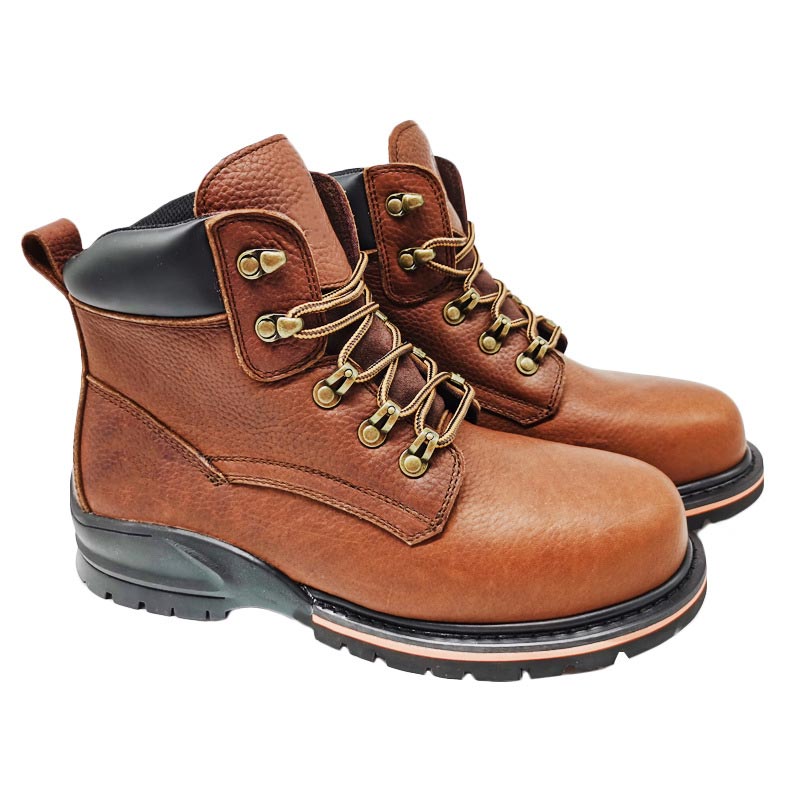
Rubber Outsole: Rubber outsole is the most widely used form of outsole, present in the sole of the shoe. It is oil-resistant, abrasion-resistant and slip-resistant. This may be a good option for workers in the electrical and chemical industries. It is suitable for wet surfaces and rough terrain.
TPU Outsole: Thermo Poly Polyurethane or TPU also makes a great outsole. It is resistant to chemicals, oil and abrasion. The TPU sole is lighter in weight. With a sturdy design, it won’t split easily. The TPU outsole also lasts longer.
Midsole: Another important element of a safety shoe is its midsole. Ethylene Vinyl Acetate (EVA) is an excellent midsole that provides stability to the foot by distributing weight throughout the shoe. It’s a lightweight material that feels like a cushion on your feet. No matter the material, type or weight, the most important thing is the fit. Your feet should not have blisters and abrasions after wearing safety shoes for 8-9 hours or more. Incorrect sizing will never serve the real purpose of wearing shoes.
With a loose fit, your toes will never feel comfortable in the safety toe cap. Also, shoes will always make your feet feel heavy or cause strain. Likewise, in the case of tight-fitting shoes, foot ailments, such as injuring nails, corns, etc., can occur. Never assume that a shoe will stretch and fit your foot over time, especially a steel toe shoe.

Functions and uses of safety shoes
Safety shoes have different functions and roles, depending on the industry in which they are used. Let’s discuss some of them.
Prevent falling or rolling objects
Safety shoes are a lifesaver for those who work in heavy metal manufacturing and construction as they are always prone to hazards. This dynamic industry moves people and objects around. There may be an object rolling on the floor, or something suddenly falling on your feet. Steel-toed safety shoes are the best protection you can provide when working in this type of industry. It protects the foot from any broken bones or major injuries.
Anti-slip protection
Workplace injuries or accidents can occur for a number of reasons, with slips or falls being a common cause. Therefore, your shoes need to be non-slip to prevent slips or falls. Non-slip safety shoes must be worn when working with lubricants or water. Falling from something like this can be very painful even for someone who works at heights where they need to climb ladders/stairs a lot.
Protect feet from chemicals
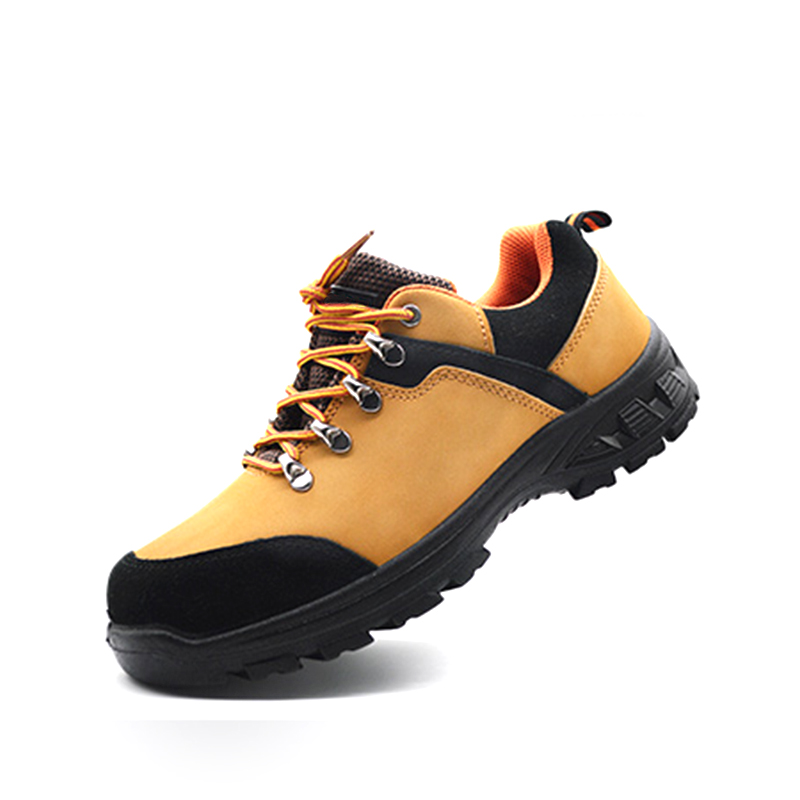
Another important function of safety shoes is to protect the feet from chemicals. When working in the chemical or cement industry, the floor is full of chemicals and workers cannot risk wearing simple shoes. Such safety shoes need to have a thick sole of pure rubber. There could be cleaning chemicals all over the place, or the chemicals could be dropped on foot as the battery manufacturing company refills the batteries. The chemical industry can contaminate your feet or cause burns at any time, so be sure to use safety shoes when working here.
withstand cold weather
Everyone knows how shoes protect in cold weather. To work smoothly in extreme weather conditions, working in refrigerated or wet workplaces requires additional protection of the feet against frostbite and other injuries. When working in cold environments, it is imperative to keep your feet warm to maintain body temperature.

prevent electric shock
Those who work as electricians or in an electrical company must wear safety boots to protect against electrical hazards. Shock can be caused by the accumulation of quiescent current when working on live wires with current flowing. Safety shoes for such professionals are made of non-conductive materials such as leather and rubber. In static areas, use anti-static materials to reduce static buildup on the body and prevent sparks.
prevent cuts
Safety shoes are a must if moving mechanical parts or sharp objects are used, especially when using a chainsaw. The cut-resistant material won’t let sharp objects touch your foot and damage it. The rigid outer body and steel toes act as a shield for the foot.

prevent fatigue
In addition to protection, safety shoes provide comfort that won’t tire you out. If you work on a construction site or need to stand for hours on a concrete surface, your feet, back and body muscles will gradually tire. If it’s an everyday task and you’re not wearing comfortable shoes, things can get worse. Safety shoes have a cushioned insole to minimize any stress on your feet from standing for hours. This will help you complete tasks longer and with more focus. When to change safety shoes? Everything has a life, and so do safety shoes. The following conditions indicate that it is time to change your safety shoes:
- If the exterior of the shoe is damaged or worn, you can see the steel toe
- If the outsole loses its stick and grip
- If the outsole is cracked or brittle
- If the ladle head is not suitable
- If the insole or lining feels cracked
- If the shoe material becomes too hard and loses its elasticity
- If there are some leaks that allow water or chemicals to reach the feet

Safety shoes use precautions
Analyze your industry, job profile and foot health requirements
Try on shoe sizes at night, as your feet and fingers will swell and get bigger during the day. Picking a size when your feet are at their largest will keep you comfortable all day.
Brands should be considered, but not more than your comfort level. Today, various safety shoe brands are launching new products that are well taken care of in terms of modern comfort.
The shape of the toes should allow room for the toes to move freely.
Along with the tuff outsole, the insole should be breathable and absorb sweat
Have at least two pairs of safety shoes at a time. Wearing just one shoe a day to work is likely to wear out quickly.
Summary
It’s always better to wear socks and then try the most suitable safety shoes.
Take good care of your safety shoes for longevity and durability.
The heel height of labor insurance shoes should be appropriate. The 2-3cm labor insurance heel can make the arch of the foot more reasonable. Such shoes are more comfortable to wear and will not cause damage to the feet.
When we find the following situations, we need to replace your labor insurance shoes in time: when the labor insurance shoes have been severely deformed by an impact or extrusion; the sole is broken or the anti-slip layer of the sole is severely worn; the sole or heel of the shoe is obviously damaged phenomenon, etc.


