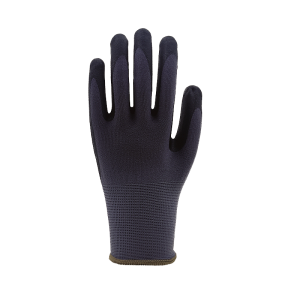
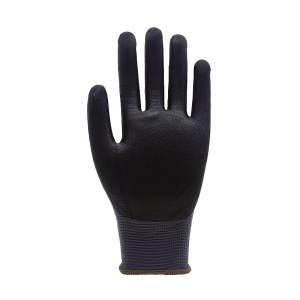
1.Regular Cleaning:
Material-Specific Cleaning: Clean gloves according to the manufacturer’s instructions. For example, leather gloves might require gentle cleaning with a damp cloth, while fabric gloves can often be washed in cold water.
Avoid Harsh Chemicals: Use mild detergents to clean gloves, especially if they are made from sensitive materials like latex or nitrile.
2.Proper Drying:
Air Dry: Always air dry gloves, avoiding direct sunlight or heat sources like radiators, which can cause materials to crack, shrink, or degrade.
Shape Maintenance: To maintain their shape, stuff gloves with paper or use a drying rack.
3.Storage:
Cool, Dry Place: Store gloves in a cool, dry location away from direct sunlight, moisture, and chemicals.
Avoid Compression: Store gloves in a way that avoids compressing them, which can cause creases or reduce their flexibility.
4.Regular Inspection:
Check for Wear and Tear: Before each use, inspect gloves for signs of wear, such as holes, thinning areas, or damage to protective coatings.
Replace When Necessary: If gloves show any signs of damage that could compromise their protective qualities, replace them immediately.
5.Special Considerations:
Gloves for Chemicals: If gloves are used for handling chemicals, ensure they are decontaminated according to the manufacturer’s guidelines after each use to prevent degradation.
Gloves for High-Heat: For gloves used in high-heat environments, regularly check for heat damage or reduced insulating capabilities.